
Podiatry and Cat Scratch Fever
Kittens are gorgeous and appealing, but they potentially could be the source of transmitting a nasty bacterial infection. Bartonella Henselae bacteria is one of the most common bacteria in the world. Kitten scratches or bites can lead to Cat Scratch Disease (CSD), also known as Cat Scratch Fever. Symptoms range from headache, fever, swollen lymph glands to more serious eye or brain involvement. Adult cats too can transmit the bacteria. Approximately 40% of felines carry the bacteria at some point in life, but kittens pose the greatest threat.
This not necessarily a real danger to healthy individuals, other than a bump or blister at the bite or scratch site with possible swollen lymph nodes, fatigue, headaches and a low-grade fever. In individuals who are have compromised health issues e.g. patients with diabetics, peripheral arterial disease, they could be at risk of developing more serious complications with weakened immune responses and poor healing outcomes. A course of antibiotics normally resolves CSD, but in patients who are immuno-compromised more serious complications could develop affecting the eyes or even the brain. This is not something podiatrists may see in clinic, but osteomyelitis, bone infection could be.
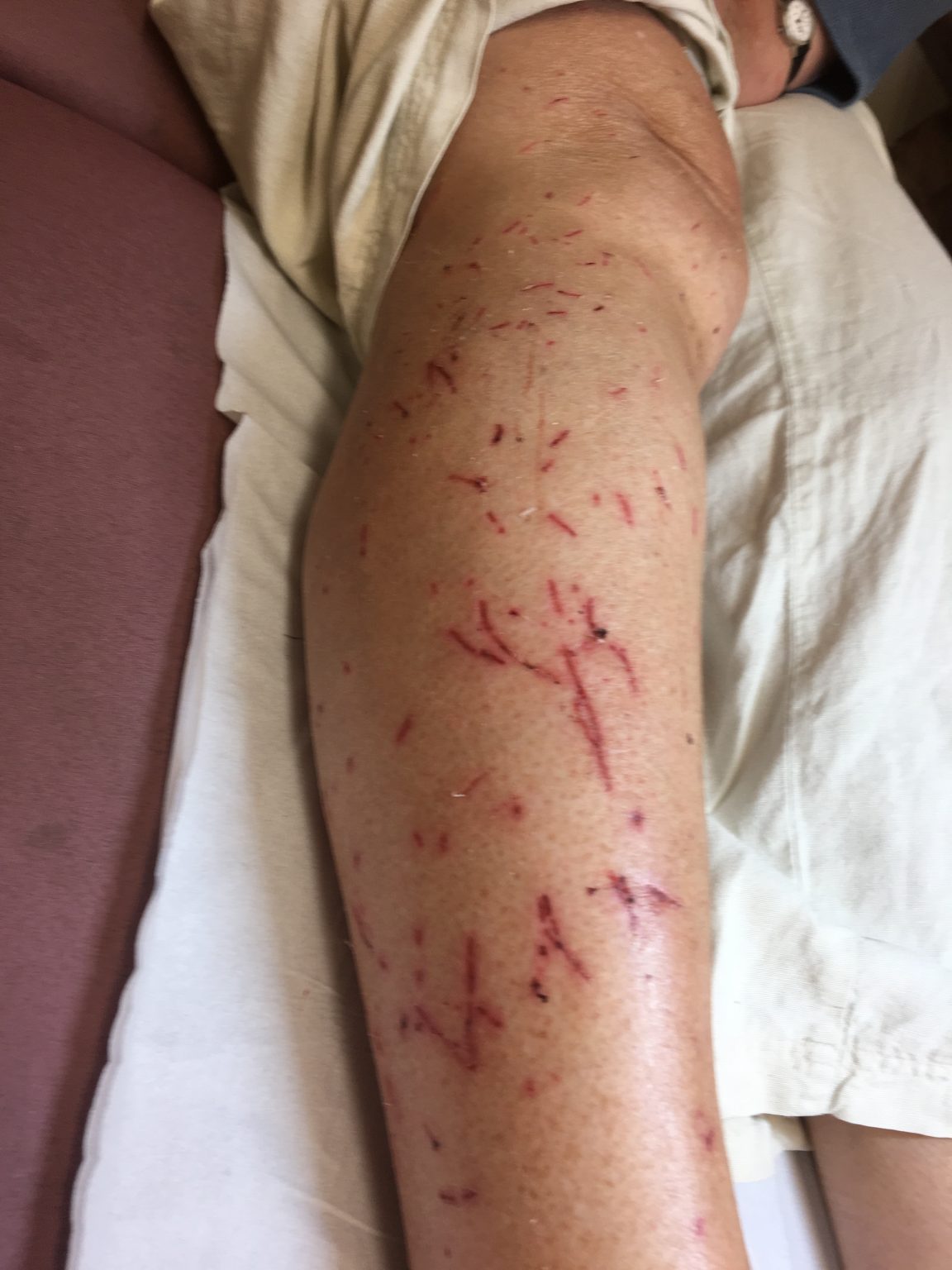
Kittens love feet. They are playful and like to take a swipe or a nibble on a passing or moving ankle. Deep scratches can lead to cellulitis. Cellulitis is a bacterial infection involving the inner layers of the skin. It specifically affects the dermis and subcutaneous fat. Symptoms can be very similar to CSD, but the bacteria most commonly involved are streptococci and Staphylococcus aureus. CSD and cellulitis can both lead to more serious infections such as an underlying bone infection called osteomyelitis or necrotizing fasciitis.
Podiatrists need to warn pet loving patients who present with compromised health issues to be cautious. They need to avoid rough play to avoid scratches or bites breaking the skin and wash hands after play. If they do get a break to the skin they must thoroughly clean the area and apply an antiseptic cream, and dressing. If concerned they must seek immediate medical help if they start to develop any symptoms. Keeping their cat indoors may reduce risks by preventing it encountering other infected cats. Administering anti-flea medication can also reduce the risk of the cat contracting Bartonella henselae.
Anecdotally I recently had a patient in clinic who presented with horrific deep scratches to both lower legs caused by a 10 week kitten using her as a climbing frame. She has an undiagnosed neurological condition and on high dose steroids. Fortunately, the scratches were not raised and exhibited normal inflammatory responses, but I had to warn her of the dangers of getting either developing either Cat Scratch Fever if she was not more careful. Also, having a young kitten running around her feet posed an increased threat of falling, due to her being unsteady on her feet.