
Causes and Treatment of Foot and Ankle Oedema and Lymphoedema
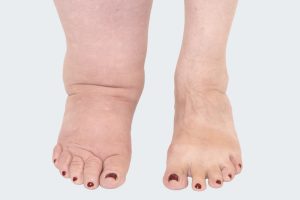
It is estimated that approximately 400,000 people suffer from chronically swollen feet and ankles in the UK, termed lymphoedema. This figure does not take into account people who also have noted episodes of swollen feet e.g. when it is hot or after a long flight. Lymphoedema is characterized by a chronic inflammatory fibromatosis or hypertrophy of the fibro-connective tissue of tissue structures. In Roman times it was termed ‘elephant leg’ (elephantiasis).
Swollen feet and ankle can cause considerable physiological impact and is rarely discussed in social media. Having swollen feet can be associated with ill-health and getting old, but this is unfair as younger healthy individuals can also get oedematous feet and ankles unkindly called ‘cankles’.
It is important to understand the difference between getting swollen feet and the chronic condition of lymphoedema. Both conditions are caused by fluid retention, but oedema is more transient in nature, whereby swelling can reversed by addressing the underlying cause, whereas lymphoedema is a progressive disease and difficult to treat.
If an individual has swollen ankles which pits and indents on pressure this is oedema. Depending on how long it takes for the indent to go gives an indication on the severity of the condition. In an individual with lymphoedema there may be no pitting, or the indents take a long time to go.
Oedema and lymphoedema are conditions of a compromised lymphatic system. The lymphatic system has three main functions:
- Draining excess tissue fluid: It balances the fluid in the blood and the tissues. This is known as fluid homeostasis.
- Fighting infection: It provides immunity by assisting the body’s immune defence against foreign bodies, such as bacteria and removing toxins.
- Absorbing fats: It absorbs lipid nutrients from the intestine and transports them to the blood.
Think of the lymphatic system as a transport and drainage system with interconnecting channels to help deliver and remove products out of the body by processes of natural detoxification such as urinating and sweating. A disruption to the lymphatic system can, in the long term, undermine its ability to drain fluid properly. As a result, excess fluid can build up in parts of the body. There are 2 classifications for lymphoedema:
1) Primary lymphoedema – a genetic developmental problem of the lymphatic system
2) Secondary lymphoedema – caused by damaging etiological factors affecting the lymphatic system which can or cannot be reversed.
Etiological factors for lower limb swelling:
Sudden Onset
- Unilateral onset could be caused by a blood clot (DVT) and is associated with pain. Get checked out immediately.
- A ruptured Baker’s/ Popliteal Cyst can also cause unilateral pain and swelling, but is more in the calf. Get checked out immediately.
- Injury e.g. ankle sprain or strain
- Infection, over-reactive response to insect bite or verruca acid treatments
- Surgery
Common Insidious Onset
- Standing or sitting in the same position for too long e.g. long flights – muscles are inactive, can‘t pump body fluids back up toward the heart.
- Pressure and restriction from tight garments or jewellery
- Temperature changes – too hot, or too cold
- Eating too much salty food which causes fluid retention – causes fluid to leak into interstitial tissue spaces
- Being overweight – decreases blood circulation, increases ankle pressures
- Pregnancy, hormonal fluctuations
- Poor diet e.g. too much salt intake
- Medication
Chronic Long Standing
- Immobility from paralysis
- Renal and congestive heart failure
- Diabetic foot complications e.g. Charcot Foot
- Chronic venous insufficiency e.g. varicose veins
- Cancer/ cancer treatments destroying lymphatic nodes
It is important to have a balance of lymphatic fluid for health. One of the main controls of water is to balance the concentration of blood serum proteins. Low levels of blood proteins can result in fluid retention. A loss of serum proteins may be caused by kidney, liver or thyroid diseases, malnutrition, excessive bleeding, chronic draining wounds and excessive burns.
When does oedema become lymphoedema?
The generalised answer is when the oedema does not dissipate, when nothing seems to help to address the underlying cause and there is little to no soft pitting. Usually, a patient has had a swollen ankle(s) for a long time with poor lymphatic drainage and function leading to an imbalance of blood serum proteins and water. The high protein content can lead to secondary complications, such as hardening of the tissues and skin over time.
Lymphoedema facts:
- In 20% of cases, there is a family history of the condition
- Swelling may be unequal on each side of body
- Soft pitting in the early stages of the condition
- No pain felt on direct pressure to the skin
- Legs can feel heavy and ‘tight’
- Limbs tend not to bruise easily
- Increased risk of infection (Cellulitis)
- Can affect both sexes of any age
- Stress does not cause lymphoedema, but increased cortisol levels can cause weight gain which is a contributing factor
- Can affect mental health and well-being by causing physiological stress
- Antidepressants as can cause weight gain oedema
- Dermatological skin changes e.g. thickening, splitting, blistering, ulceration
- Aspirating or draining off fluid can make the condition worse
- Diuretics, water tablets are of little benefit for chronic lymphoedema
Oedema Prevention and Treatment
Aim of treatments for secondary lymphoedema is to reduce the swelling to a normal or near normal size by utilizing remaining healthy lymph vessels and other lymphatic pathways. Keeping the skin in good condition. It is a tick box approach, by doing as much as one can:
- Drinking plenty of water to keep good lymphatic function
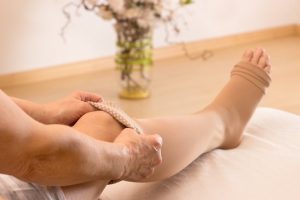
- Wearing compression socks or stockings, but ensure right fit. Too tight can cause unwanted circulatory issues
- Wear flight socks when flying
- Soaking the feet in cool water with Epsom Salts for at least 15 minutes
- Raising the feet above the heart regularly, raise the end of the bed up
- Staying active, strong calf muscles act as a pump to get fluids up the leg
- Losing weight if overweight
- Eating a healthful diet and being mindful of salt intake. Don’t adopt a low-protein diet.
- Eat foods with high water content e.g. courgettes, cucumbers to keep body hydrated for longer
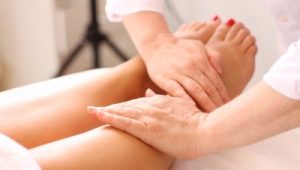
- Massaging the feet
- Professional lymphatic drainage massage
- Eating more potassium-rich foods. Can help to reduce water retention e.g. bananas
- Take magnesium supplements for improved muscle activity
- Avoid hot baths and traditional saunas, steam rooms. Direct heat is an issue. Infrared saunas can be beneficial
- Reduce alcohol intake as this causes dehydration and too much can affect liver function
- Don’t take steroids unless medically prescribed can cause swelling
- Avoid crossing legs for long
- Increasing blood protein levels
- Taking diuretics to flush out excess fluid in mild to moderate conditions
Good Foot Care for The Swollen Foot
It is very important to look after the health of swollen feet, as many secondary problems can be avoided. Just as much care must be given to an oedematous foot as an individual with diabetes:
- Ensure wear good fitting footwear with adjustable fastenings
- Apply a general purpose foot cream of 10% Urea every day to feet to include ankles and lower legs
- Reduce skin infection risks e.g. use anti-fungal topical skin products, to minimise chance of getting Athletes Foot
- Don’t go barefoot outside
- If you have a painful lower limb joint problem, please get your biomechanics checked out by a podiatrist. A musculoskeletal problem will lead to increased fluid retention. A specialised insole or shoe can improve gait.
- Keep nails short and if struggling to cut nails go to a podiatrist
- Get all callous and corns professionally removed. Do not use medicated corn plasters. Heel splits can lead to cellulitis!
- Use insect repellent where risks of getting bitten are high. Mozzies love ankles!
- When out in the sun, use a high factor sun block.
- All cuts and abrasions should be treated immediately with an antiseptic cream; and keep the area clean.
- Raise the affected limb above the level of the heart whenever possible, if not use a foot stool. Better up than down!
- Open toed compression hosiery better to reduce pressure on nails and toes
- Avoid unnecessary lower limb blood pressurechecks, blood draws, or injections in the affected limb. Can cause additional trauma and increased post-inflammatory tissue swelling. Local anaesthetics won’t work due to fluid dilution.
If the oedema does not seem to dissipate and is getting progressively worse seek medical advice. It could be due to medication or another easily addressed problem. the injection of coloured dye will trace movement through the lymphatic system and identify any existing or potential blockages.
Unwanted Lymphoedema Complications
Complications are more prevalent in individuals who do not seek medical help and are non-compliant. Potential complications are:
- Skin ulcerations – Skin gets thicker and less supple and when it get stretched it can lose it’s integrity to be a protective barrier
- Skin infections- Cellulitis. Cellulitis is a bacterial infection of the deeper layers of skin and the fat and soft tissue layers under the skin
- Lymphangitis- Inflammation of the lymph vessels can develop, and when infectious, it is usually caused by a Streptococcus bacterial infection.
- Compromised Immune System – A deficient lymphatic system can lead to a weakened immune system and poor general health.
If lymphoedema is diagnosed the following are ways to help reduce the swelling for mild to moderate lymphoedema:
Other Lymphoedema Treatments
- Intermittent Sequential Pneumatic Compression Therapy – Lymphatic drainage suits can be purchased which help to massage and squeeze fluid up legs
- Vibration Plates – Standing on an oscillating vibration plate can activate muscles and help increase blood flow and lymphatic drainage
- Kinesio Taping – K- Tape is commonly used to assist with fluid drainage in the acute stage of an injury to reduce oedema; it can also be used as part of the management for lymphoedema as stimulates cutaneous blood and tissue fluid flow.
- Drug Therapy – Drug therapy has limited benefit for lymphoedema, but new drugs are being clinically trialled e.g. Ketoprofen. Ketoprofen has been shown to improve elasticity of skin and restore health.
- Low Level Laser Photodynamic Therapy – The application of low level laser red light energy has been clinically shown to reduce swelling by improving circulation and lymphatic drainage. Red light energy delivered by a laser e.g. Erchonia XLR8 or PL Touch works at a cellular level.
- Surgery – Advances are being slowly made to re-route lymphatic drainage systems, but are still in their relative infancy. Surgery is mainly concerned with preserving tissue viability. Surgery can be great for venous vascular issues if there are blocked or faulty legs valves which may be contributing to the oedema.
There are diagnostic tests e.g. MRI and CT scans which can check if there is blockage or a problem with lymph nodes. A lymphoscintigraphy may also be used to diagnose a problem; a radioactive dye is injected into the lymphatic system and a nuclear scanner is used to show any blockages.
Conclusion
To successfully treat oedema and lymphoedema a multi-targeted approach should be used. It makes sense to incorporate as many of the preventative measures and treatments discussed in this article. A proactive approach to treating and managing oedema or lymphoedema will enable the individual to lead a healthy and normal life. Puffy ankles should not ruin one’s quality of life and hold an individual back. The earlier an individual with recurrent or persistent ankle oedema starts to get treatment the better the outcome or else you could say the ‘elephant has bolted’, but all is not lost.
Useful Links
- The British Lymphology Society Po Box 7153, Lichfield, WS14 4JW Website :- www.thebls.com Tel :- 01452 790178
2.The Lymphoedema Support Network St.Luke’s Church Crypt, Sydney Street, London SW3 6NH
Website :- www.lymphodoema.org Tel :- 020 7351 0990 E-Mail :- admin@isn.org.uk
3. Great blog site: http://www.lymphedemablog.com
.