
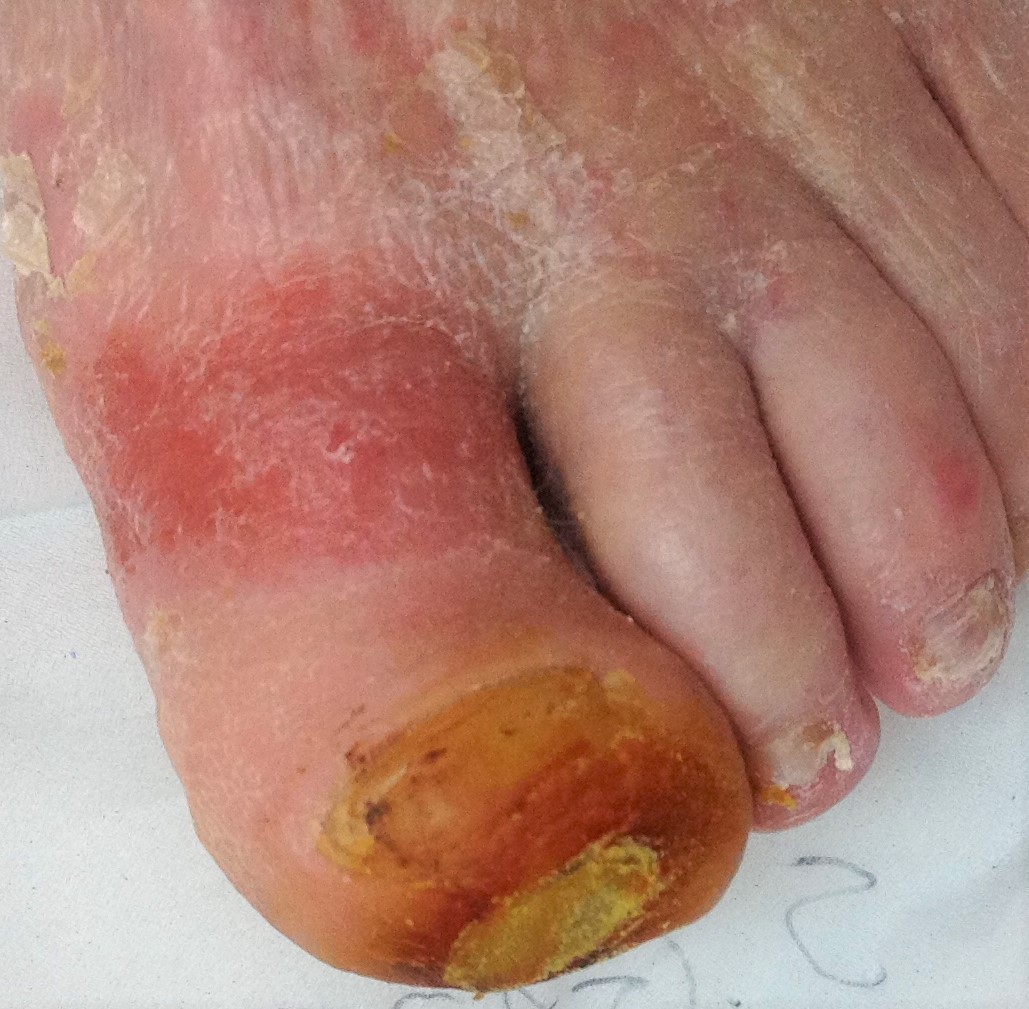
Struggling podiatry diabetic footcare is becoming of increasing concern in both NHS and private sectors. Diabetic healthcare generally has been struggling to keep up with demands, having been seriously impacted by the Covid pandemic. Patients have not been getting their regular diabetic check-ups or found it harder to get face to face contact with health professionals. What has been the main impact of this? The Independent Diabetic Trust (IDT) published an article recently on the UK’s current healthcare situation. In a study carried out by Prof Jonathan Valabhji, the national clinical director for diabetes and obesity; a comparison was undertaken of deaths last summer and those of the same period of summer 2020. It revealed:
- Non-covid related deaths rose by 11%
- During 2020/21 just 26.5% of diabetic patients received their full set of checks compared to 48.1% the year before
- If diabetics had been checked it is postulated there would have been 10% less non-covid deaths.
The increase in deaths is not directly foot related. It must also be noted that lower limb amputation figures did not dramatically increase. This may come as a surprise to many experts who did foresee amputation rates increase, like The Telegraph earlier this year. In India the amputation rates went up by more than 50%! Keeping the amputation rates down has largely been due to the sterling work of NHS podiatrists. Since the pandemic began, they have been concentrating on treating ‘at risk’ groups of diabetic patients with chronic foot conditions.
This all sounds great news, but the reality reveals, it is the chronic diabetic foot cases that are getting all the attention. Routine diabetic screening and conservative footcare are being squeezed. If acute cases could be seen earlier, it could be argued that the incidence of cases becoming chronic would be reduced. NHS podiatrists are seemingly concentrating on critical wound care, keeping amputation rates down, and less on preventative medicine.
Waiting lists for nail surgery and MSK are getting longer and longer. This is a direct consequence of the Covid pandemic and over stretched resources. Obviously, this varies from service to service. If acute conditions were seen sooner, it could prevent them becoming chronic. Chronic conditions are expensive and time-consuming to treat. Diabetes UK estimate that at least £1 in every £140 of NHS spending going towards chronic diabetic foot care. This figure will no doubt increase with inflationary costs, putting additional pressures on podiatry services.
Podiatrists are increasingly frustrated with the current status quo. Covid has put a strain on overall NHS services. According to the IDT ; foot checks, which rely on physical appointments, saw the sharpest drop, falling by more than 37%, the greatest reduction of all checks. It is going to be hard to get restore diabetes care back to pre-pandemic levels. What is becoming apparent on the grapevine is that podiatrists are feeling fatigued and burnt-out. Working in clinics which are struggling to keep up with patient demands compiled with staff sickness and other internal issues leaves podiatrist feeling demotivated and stressed. Not being able to use their full skill set as podiatrists leaves some individuals feeling de-skilled.
Covid really has thrown a spanner in the works. How long will it take to get diabetic screening and podiatry services back to full capacity? Let’s hope there are still enough NHS podiatrists left in the future to meet the challenges ahead. We need to invest more in our NHS podiatry services, and value the work podiatrists do. My concern is that we don’t.
As a podiatrist working primarily in the private sector, I rely on having a robust diabetic NHS service to refer patients to. It is too costly for patients with chronic ulcers and issues to be treated privately. Patients also need to be able to access multi-disciplinary teams to get the right care. A private podiatrist’s role is to actively keep screening diabetic patients on a routine monitoring basis; to check if any problems occur. Private podiatrists have a big role to play in supporting the NHS in helping to keep diabetic feet healthy and active on the ground. Moving forward the NHS and private sectors should be working together in a more integrated way. Waiting list times for other podiatry required treatments would come down. Patients would benefit from integrated healthcare.