Covid and bad slippers has resulted in an increase in foot and lower limb pain and weakness. Podiatrists are noting more patients than usual (pre-covid), complaining their feet hurt more. Generally feeling weaker and more unstable on their feet. This is not just in the elderly age groups, but younger patients too. The Covid pandemic resulted in required shielding, and working from home. More time spent in sloppy slippers. Supportive shoes discarded along with orthotic insoles to the back of the cupboard. The nation’s feet got weaker, slippers ruled! A slipper can be a generic term for any type of footwear an individual adopts to wear plodding around their homes.

Loose inadequate unsupportive footwear no good as a slipper
Slippers are light footwear that are easy to put on and off and are intended to be worn indoors, particularly at home.[1] They provide comfort and protection for the feet when walking indoors. Wikipedia
Slippers as the word implies slip-on easily to the feet, but are generally made of soft, flexible materials with little to no support. Not suitable for Leonardo de Vinci’s ‘masterpiece of engineering and a work of art”. The foot is a complex structure; 26 bones, 33 joints and more than 100 muscles, tendons and ligaments. It needs respect. All these structures work together to provide support, balance and mobility. Each foot takes 50% of the body’s weight. When the body is in motion it has to absorb increased weight-bearing loads and help to propel the body forward. Any structural deficiency can result in pain, degenerative change, and weakness.
Why put on a sloppy slipper to support the foot? We may not do our 10,000 steps in the home, but pottering around still puts great stress loads through the foot. Each step we take requires neurological sensory feedback called proprioception. Proprioception is all about kinetic balance, it refers to the body’s awareness or perception of the foot’s joints and movement in space. Slippers can switch off proprioceptors making muscles weak. Feet simply become couch potatoes.

The bones of the foot need good support not a flimsy slipper
We all know exercising our core muscles helps keep our backs strong, but we forget about our feet. Our feet have core muscles too. These muscles influence posture and shape of foot. They help to transmit postural tension and strength up through the lower limbs, to the back. Weak foot muscles thus can lead to collapse. Collapsed arches and collapsing on the floor.
It would be better to walk barefoot around the home then allow an unsupportive slipper to influence bad habits. The more flexible and unsupportive the slipper, the more the wearer shuffles, claws their toes and doesn’t lift their feet up. Shuffling causes slouching and a pot belly. Not a good look.
Slouching is synonymous with posture. Slouching is lazy poor posture. Poor posture is aging and detrimental to health. Slouching impacts on our mood and life expectancy. A 2012, Australian study found that after the age of 25, every single hour of slouching reduces life expectancy by 21.8 minutes. Not a fact to be slouched off.
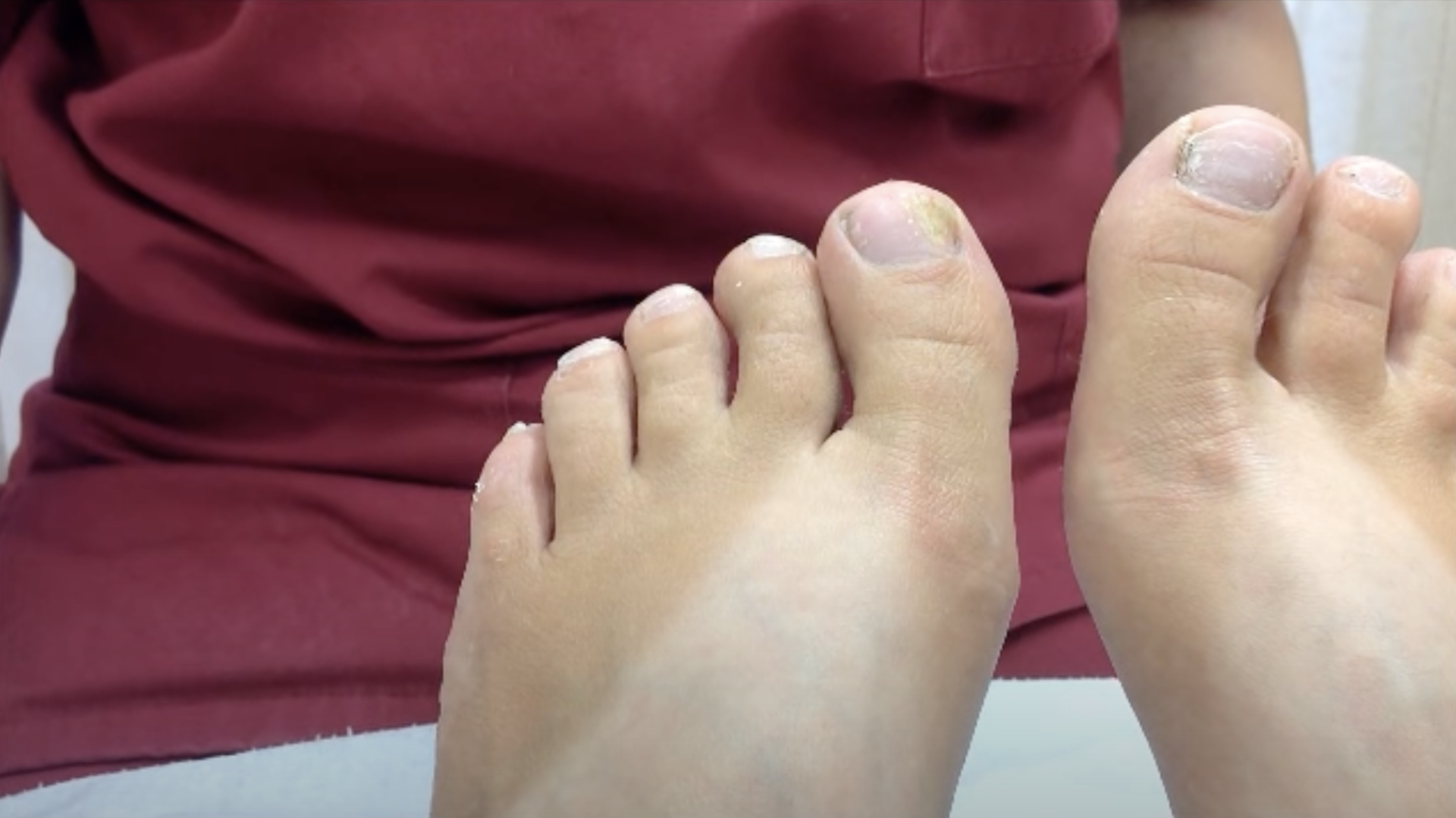
As the foot becomes more unconditioned, stepping out for a walk can be a minefield, an accident waiting to happen. The foot simply cannot respond properly to ground reaction forces and support an individual’s weight. Something has to give. Muscles and joints ache more. The lower back is groaning, knees are sore, arches feel tight and heels are painful. Can trip up more readily. People can develop painful callosities and corns. Diabetics are at increased risk of skin breakdowns and ulcerations wearing bad slippers as are those with circulatory disorders.
People don’t make the connection it could be their slippers that are a contributing factor; “My slippers are lovely and soft”. Yes, they well maybe lovely soft, but softness doesn’t support. To exacerbate the problems further, they stopped wearing their prescribed orthotic insoles. Did not transfer them into their slippers: “They don’t fit, and I don’t do much walking inside.” As the Covid restrictions began to lift and they ventured more outside, all their original biomechanical related issues returned. “My orthotics don’t work! My corns are really bad!” Some individuals discarded their orthotics altogether as they felt ‘hard’.
Patients had simply not gone one step back, but 3! Their feet and lower limbs had got weaker with a detrimental effect to their posture. Unfortunately, as we get older, we naturally lose muscle mass. It becomes incrementally harder for older individuals to regain their pre-Covid fitness, thus they become more unconfident to step out.
If only these poor soles had been supported in a firm shoe, worn corrective orthotics and exercised daily they would be feet fit. The advent of Covid has done untold harm to health and well-being of the nation. The consequences are still unfolding on a daily basis in clinic. I cannot recall how many conversations I have had as a podiatrist moaning about slippers. I emphatically advise patients to wear a shoe in the home and more importantly their orthotics. If they can’t and don’t wear orthotics to invest in light footwear/ slippers with an anatomical foot bed or built-in orthotic supports.

Sensible slippers to wear in a covid lock-down